
Ayodhya Travel


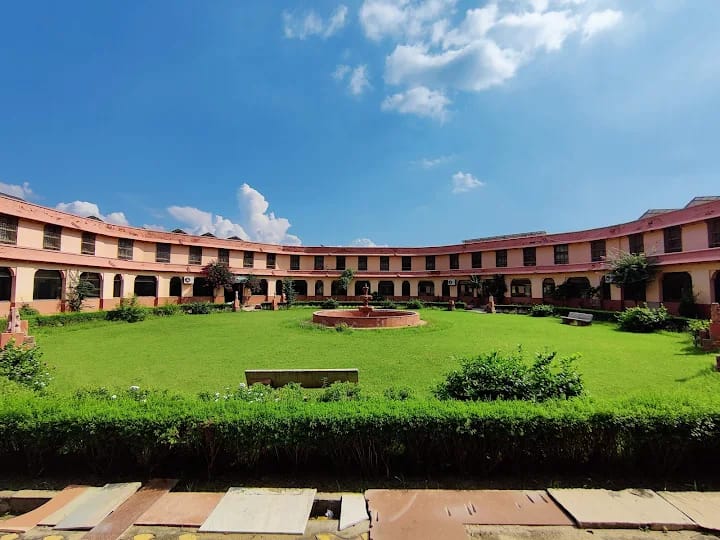

The Government Museum, Mathura (also known as the Mathura Museum) is one of the most important archaeological museums in India. It is a treasure trove for anyone interested in ancient Indian history, especially the art that flourished during the Kushan and Gupta empires.
Here is a detailed look at what makes it special:
Established: It was founded in 1874 by Sir F. S. Growse, the then-collector of Mathura district.
The Building: The museum is housed in a beautiful octagonal building made of local red sandstone, which is a signature material of the Mathura School of Art. It is located near Dampier Park.
Centenary: To honor its importance, the Government of India issued a postage stamp in 1974 on its 100th anniversary.
The museum is globally renowned for its collection of the Mathura School of Art (3rd century BCE to 12th century CE). Highlights include:
The Headless Statue of Kanishka: Perhaps the most famous artifact, this life-size statue of the Kushan Emperor Kanishka is iconic for its detailed robe and heavy boots.
Buddhist & Jain Art: You will find some of the earliest and most beautiful statues of Lord Buddha and Jain Tirthankaras. The "Standing Buddha" from the Gupta period is considered a masterpiece of spiritual expression.
Yaksha & Yakshini: Ancient nature-spirit statues, including the massive Parkham Yaksha (dating back to the 2nd century BCE).
Vast Artifacts: The museum houses over 6,000 stone sculptures, 25,000 coins (gold, silver, and copper), and 3,000 terracotta figurines.
If you are planning to visit, keep these details in mind:
| Feature | Details |
| Timings | 10:30 AM to 4:30 PM |
| Weekly Off | Closed on Mondays, 2nd Saturdays, and National Holidays. |
| Entry Fee (approx.) | ₹5 - ₹20 for Indians; ₹25 - ₹250 for Foreigners. |
| Camera Fee | Around ₹20 per device. |
| Time Required | 1.5 to 2 hours is usually enough to see the highlights. |
Unlike the crowded temples of Mathura and Vrindavan, the museum offers a quiet, intellectual escape. It provides the "context" to the religious sites you see outside. While the temples show you the living faith, the museum shows you the 2,000-year-old roots of that faith through art and stone.
Pro Tip: If you are a history buff, look for the Brahmi inscriptions on the pedestals of the statues—they often tell fascinating stories about who donated the statue and why!